

Category: KIHON – basic skills and recipes
-
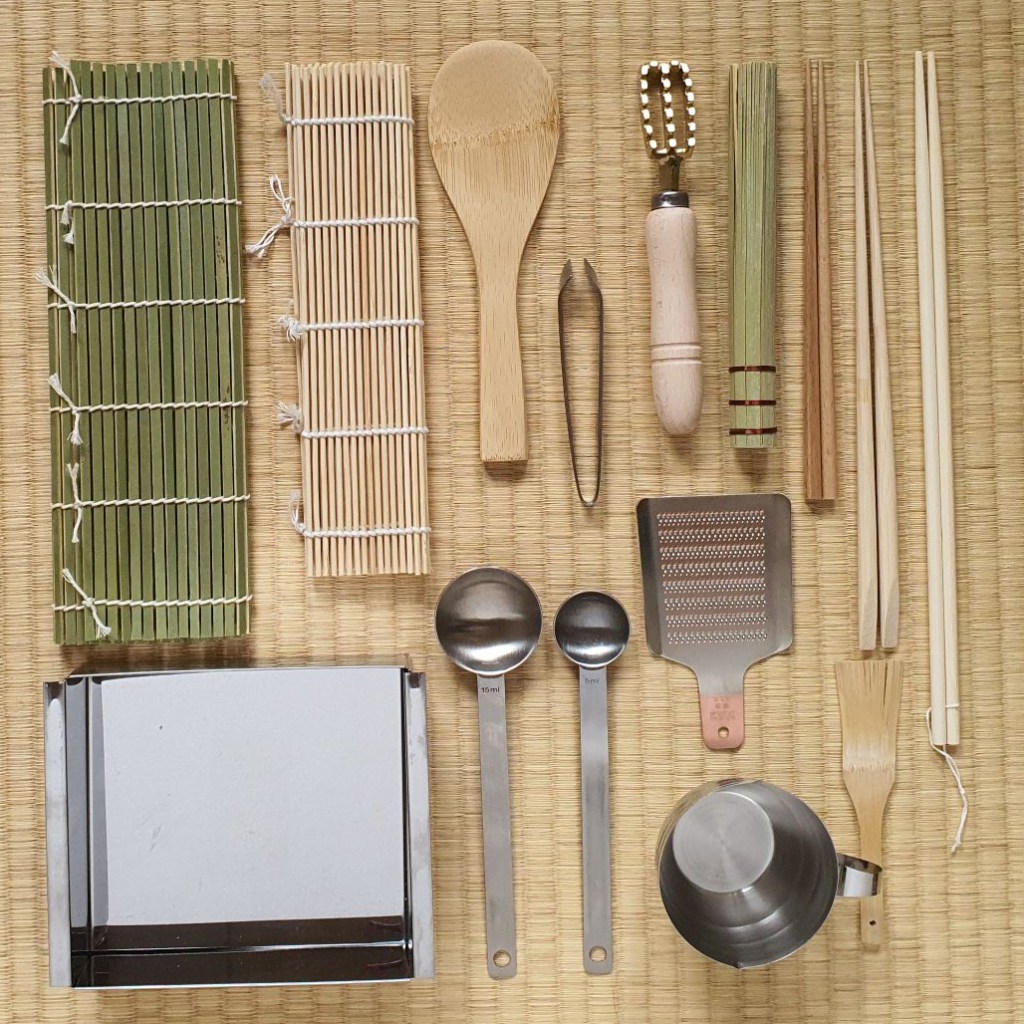
Essential Japanese Cooking Tools
I think getting into Japanese tools can be a seperate hobby or dare I say obsession all on it’s own! There is so much thought put into every little detail and everything that can be optimized gets optimized! It really is a pleasure to work with these tools and I…
-

RYOTEI ICHIBAN Dashi
Dashi stock is the most important building block of Japanese cuisine. It might be surprising to western readers, to see such dedication and focus and even scientific research being put into something as simple as a clear soup. Moreover one that is made of only 3 ingredients. But it’s no…
-
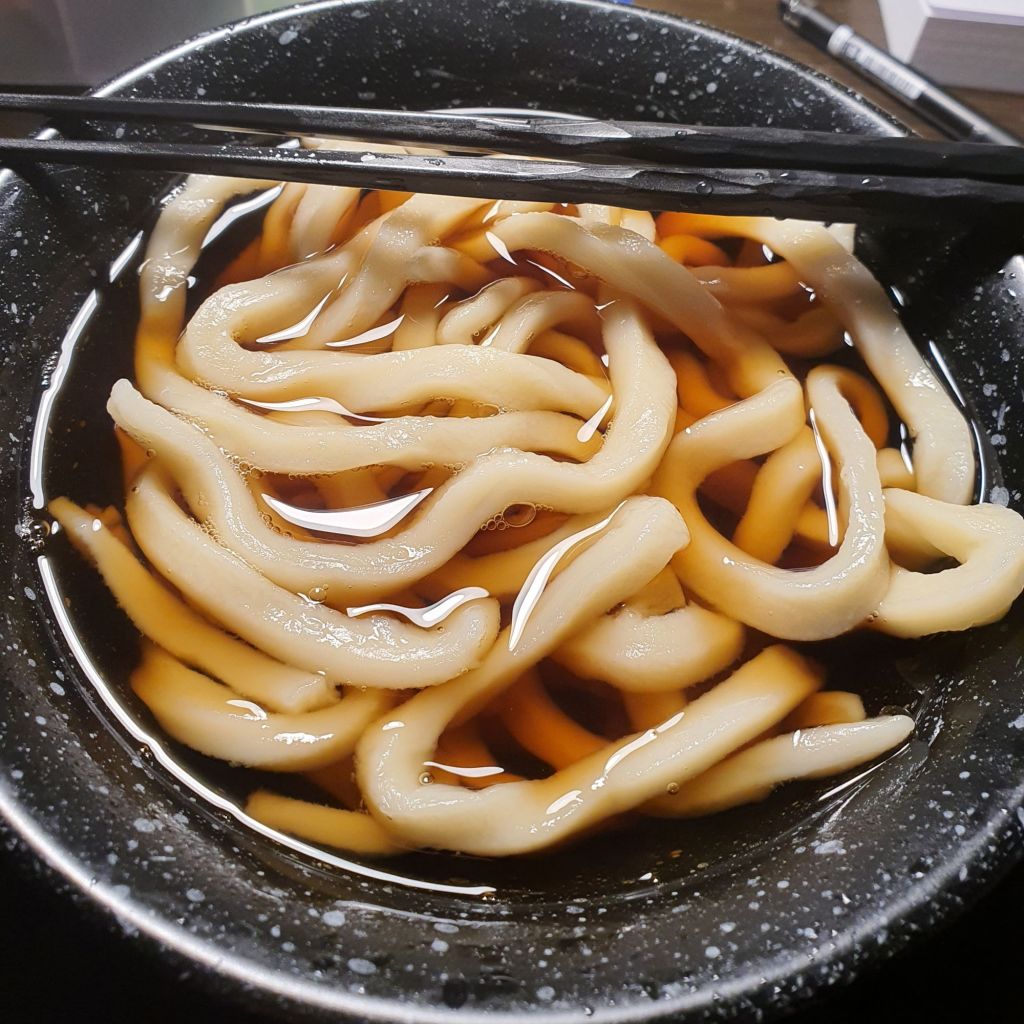
NIBAN second flush Dashi
The Konbu and Bonito flakes used for the superior ICHIBAN dashi can be reused to make a flavorful NIBAN dashi for miso soups and noodle broths. Simply simmer the ingredients, strain, and refrigerate for later use. This sustainable method maximizes ingredient usage.
-

EDOMAE SUSHI-SU Tokyo Sushi vinegar
This recipe for sushi vinegar is for a type of Sushi called EDOMAE. It originates in Tokyo and is the typical flavour of what is most commonly known as “Sushi” outside of Japan. Slightly sour rice and raw fish on top. Personally I mostely use a different kind of ratio…
-

KAMIGATA SUSHI-SU Kyoto Sushi vinegar
When most people think about sushi, they think about a type of sushi that is technically called “Edo-mae Sushi” which comes from Tokyo. Tokyo is right next to the ocean and historically always had access to lots of fresh fish, which is why Tokyo style sushi uses mainly fresh sea…
 Japanese Cuisine