Category: ZAIRYO ingredients

  • interesting natural flavours

    interesting natural flavours

    This post introduces typical japanese flavours that are very traditional but not very well known abroad. It is a very easy way to incorporate japanese tastes into your own home cooking and baking without needing to learn complicated techniques or buy lots of ingredients.

  • Dashi ingredients

    Dashi ingredients

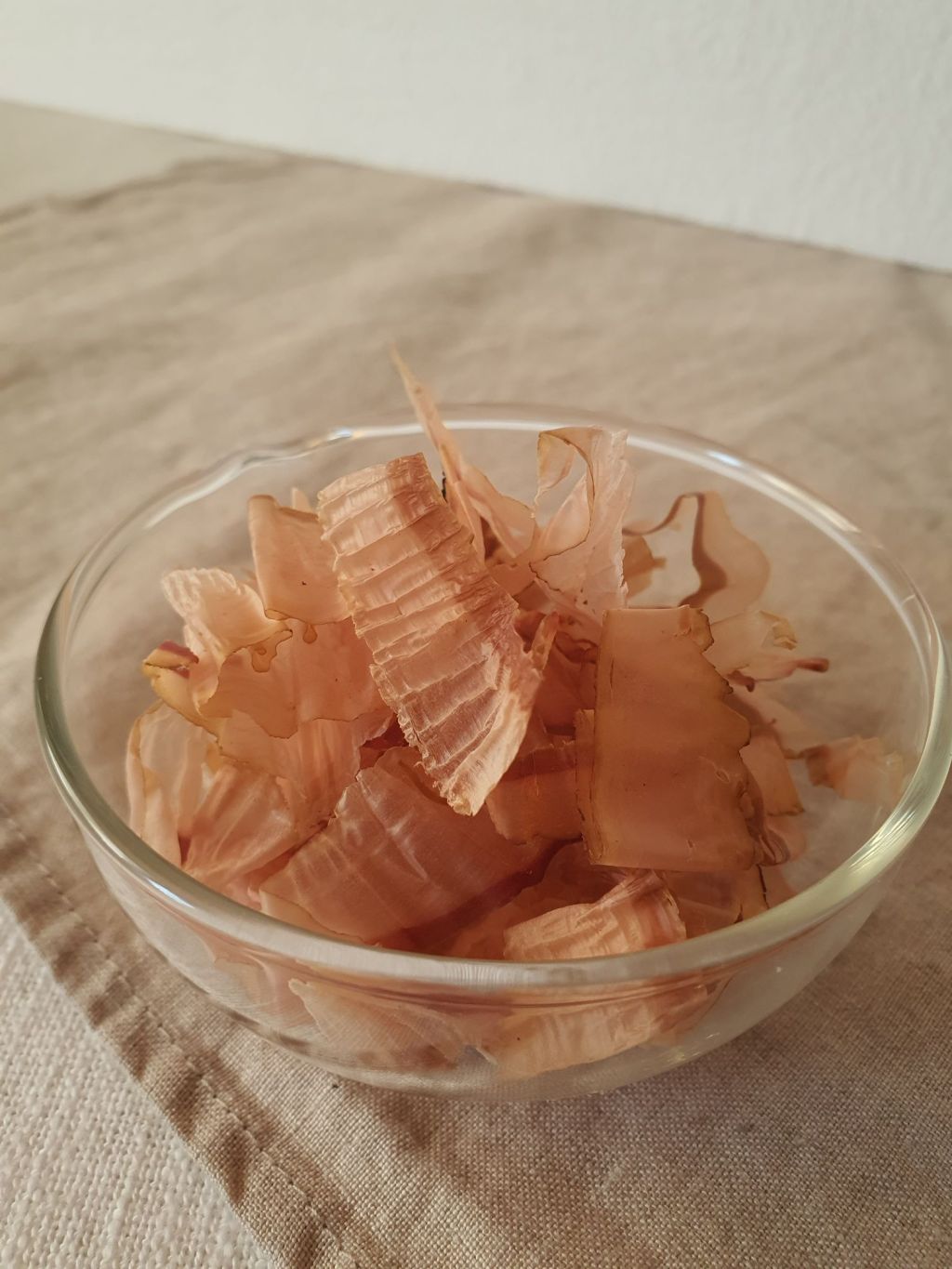
    This post gives a guide on identifying high-quality KATSUO-BUSHI (Bonito Flakes) and KONBU kelp. It emphasizes the appearance, smell, and packaging of bonito flakes, as well as the color, crystal formation, and aroma of konbu. It also briefly mentions different types of kelp and their pairing with flakes for making…

  • specialty ingredients

    specialty ingredients

    This post introduces various fascinating and unique ingredients in Japanese cuisine. It covers mushrooms like Shimeji, Matsutake, Shiitake, and Enoki, as well as Myoga, Mitsuba, Kintoki Ninjin carrot, Hourenso spinach, and Yurine lily bulb. Each ingredient’s characteristics and uses are discussed, offering readers an opportunity to explore new flavors.

  • SATO unique sugars

    SATO unique sugars

    Japanese sugar comes in various types, each with unique characteristics and uses. JOUHAKUTO is sweeter and moister, ideal for traditional Japanese dishes. KOKUTO, rich in minerals, offers a specific taste, while WASANBON is finely milled and used in specialized sweets like Hoshi-Gashi.

  • TOFU types

    TOFU types

    This post discusses the differences between silk tofu and cotton tofu, emphasizing their unique properties and culinary uses. It also introduces O-Age-san, a type of deep-fried tofu suitable for making delicious Inari-Sushi. Recommendations for buying tofu from Asian supermarkets are also provided.

  • KANKITSURUI japanese citrus fruits

    KANKITSURUI japanese citrus fruits

    The most commonly used Japanese citrus fruits in Kaiseki cuisine are Yuzu and Sudachi—often employed as spices rather than fruits. Sudachi, akin to limes, is used as a decorative and tasty element for Sashimi, while Yuzu, popular in sweets and drinks, represents the changing seasons in Kaiseki dishes.

  • MISO knowledge

    MISO knowledge

    Fortunately quite a lot of people know about Miso soup, but did you know that there are different Miso pastes? Today I want to introduce the 2 most important Miso pastes for Kaiseki Cuisine: There is a slight difference in ingredients, but the most important difference is fermentation time. White…

  • SHOYU soy sauces

    SHOYU soy sauces

    This post discusses the variety of soy sauces, including KOIKUCHI, USUKUCHI, TAMARI, and NAMA SHOYU, emphasizing their different uses in Kaiseki Cuisine. Additionally, it touches on MIRIN, SEISHU Sake, and KOMEZU rice vinegar and their roles in Japanese cuisine. The top 3 recommended ingredients are highlighted.

  • ASHIRAI  Decorations

    ASHIRAI Decorations

    The term “Ashirai” translates to decoration, but it’s more than just optional adornment – it’s crucial to a Sashimi platter. Comprising SHIKIBA, KEN, TSUMA, and KARAMI, it adds depth and visual appeal, with additional elements reflecting fish type and seasonality. Embrace the art of decoration!