

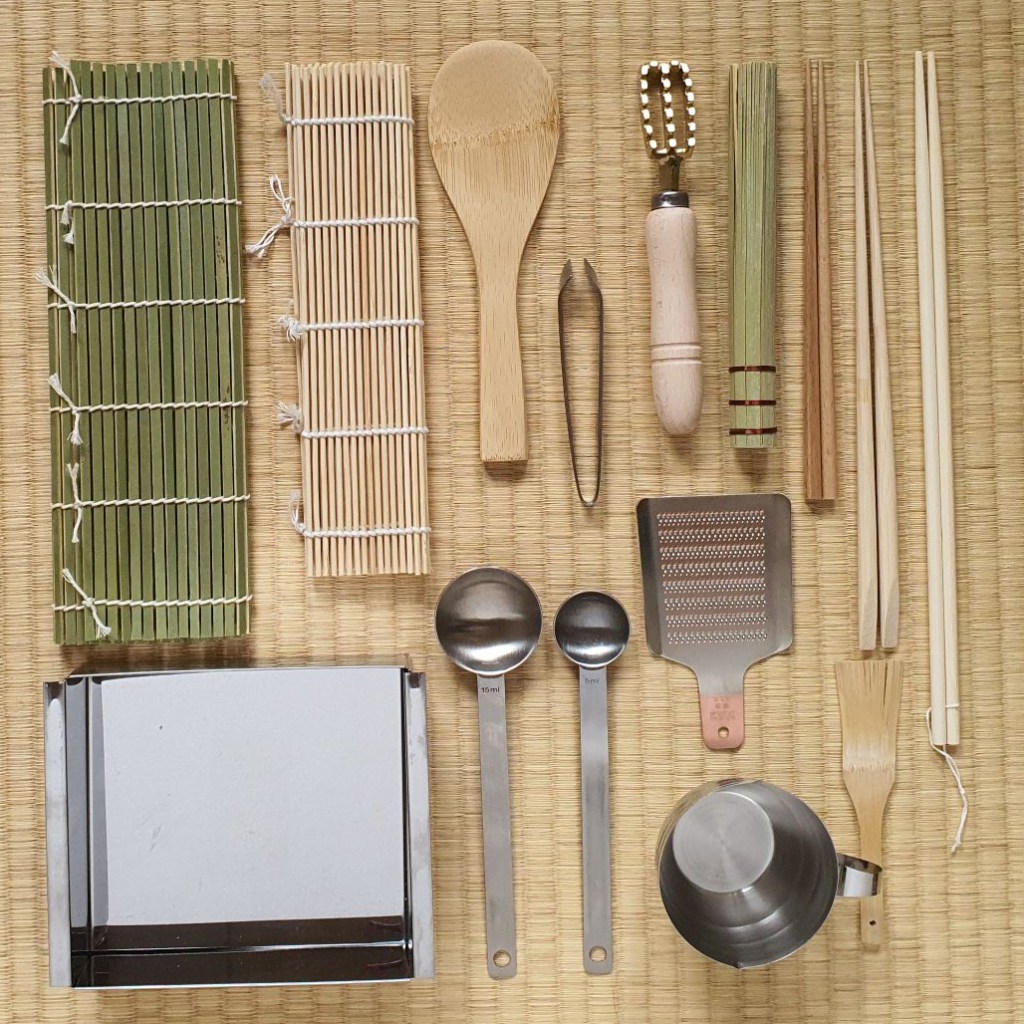
I think getting into Japanese tools can be a seperate hobby or dare I say obsession all on it’s own!
There is so much thought put into every little detail and everything that can be optimized gets optimized! It really is a pleasure to work with these tools and I would definitely recommend integrating these into your daily life. It just makes the process so much more enjoyable. If you haven’t guessed – I just adore tools! In general actually, not only japanese ones, but for now I will restrain myself and only introduce the essentials.
I am also adding a printable list with japanese characters at the end. That way you can easily go shopping in Japan if you ever get the chance to go. And I would definitely urge you to visit Japan if you can! :)
UROKO TORI fish scaler
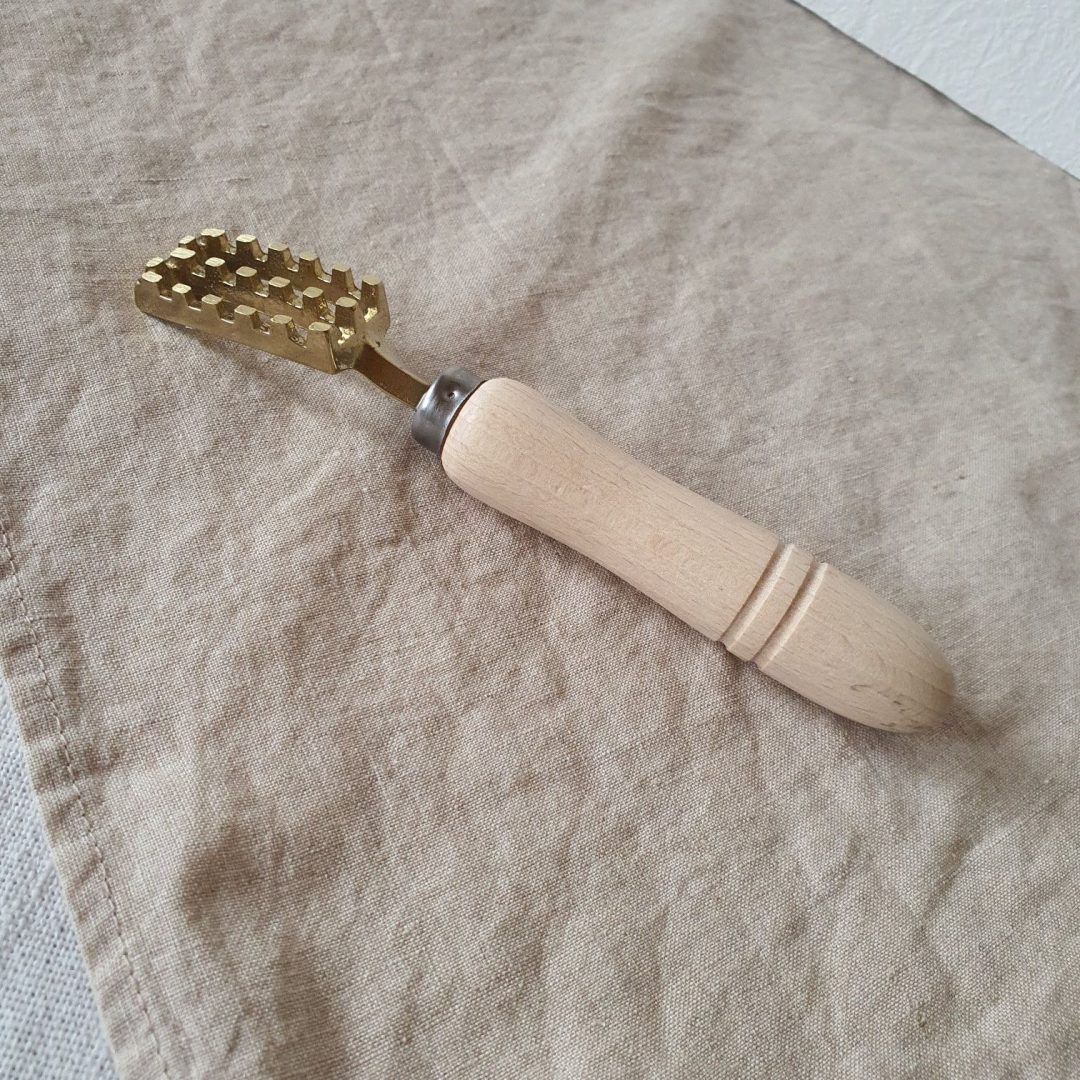
This is such a nifty tool that you definitely want in your collection!
I know there are lots of them out there in different designs, but you definitely want this exact type! It’s strong enough without being too pointy which avoids injuring the meat beneath. And because of it’s design you don’t need to use too much force, which again avoids injuring the meat and thus preserves the fish quality for longer.
HONENUKI fish bone tweezers

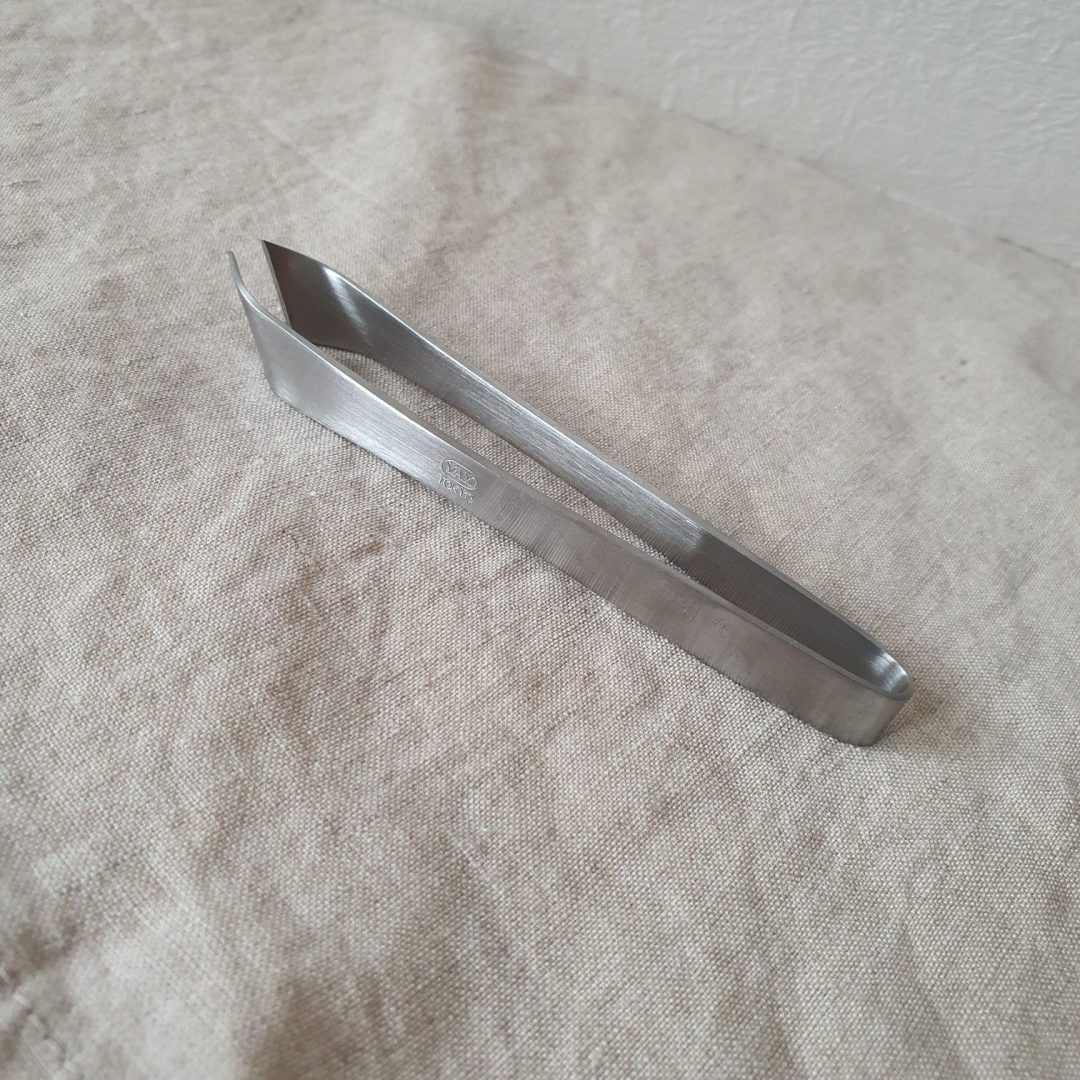
Just by choosing the right kind of tweezers you are able to make your life so much easier! If you work with super fresh fish, as you should be, you will find that taking out the bones is a art and challenge in itself. Because the flesh is still tense it won’t be easily removed and you run the risk of either snapping the bone off halfway or taking out huge chunks of meat along with the bones. Both scenarios are less than ideal as you can imagine.
So when choosing fish tweezers they need to be angled and the need to come to a very precise point. The edges where the two tips meet also have to be precisely machined so that there are no gaps and the angles should align well.
SASARA bamboo whisk
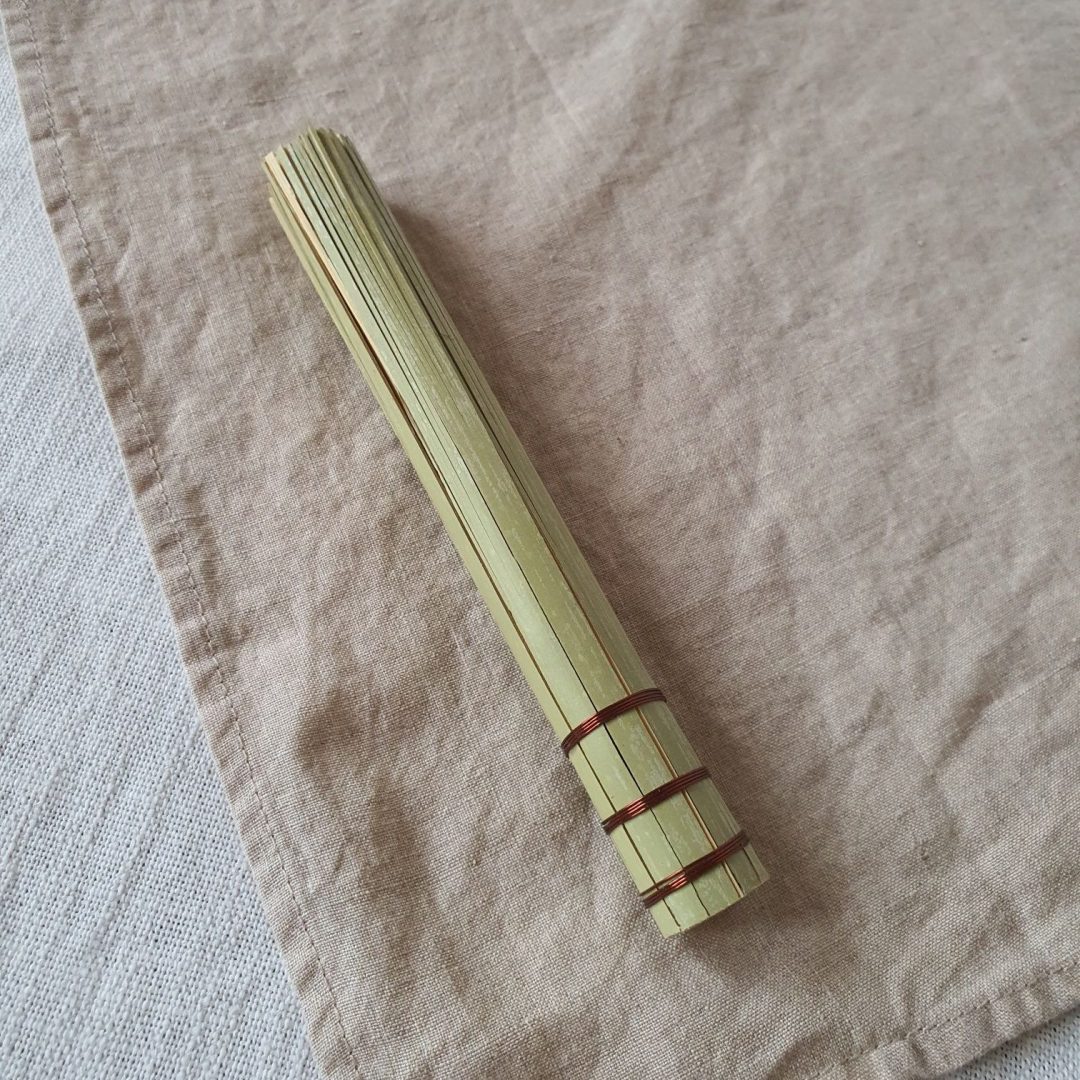
This is one of the more magical and unfortunately less well known tools. It is absolutely essential for cleaning fish correctly and makes a huge difference in keeping fish fresh for a longer periode of time! After you take out the internal organs of any fish you need to cut open the thin membrane over the spine and clean out the blood really well. And this tool is essential to achieve that. Recently there are plastic versions as well as traditional bamboo versions for HACCP reasons.
OROSHIGANE grater
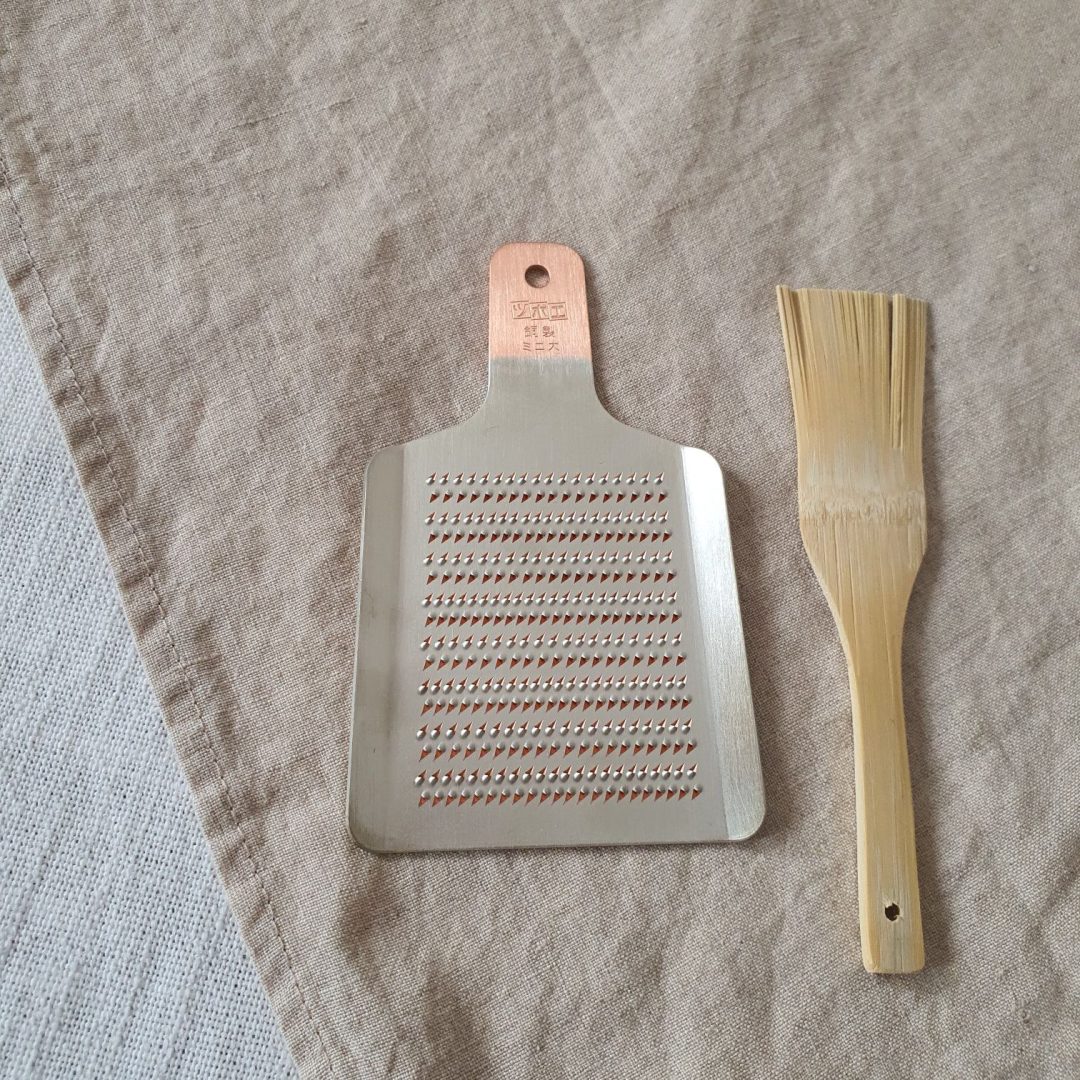
This grater is essential for super fine citrus peel grating. It is way more fine than a microplane and gives a very different end result. The little bamboo “broom” is for dusting the citrus peel onto your dish. In a pinch you could use your CHASEN as well, but it can’t be used for tea any longer in that case. And it will get destroyed faster than this little tool and is more expensive.
KEIRYO measuring spoon
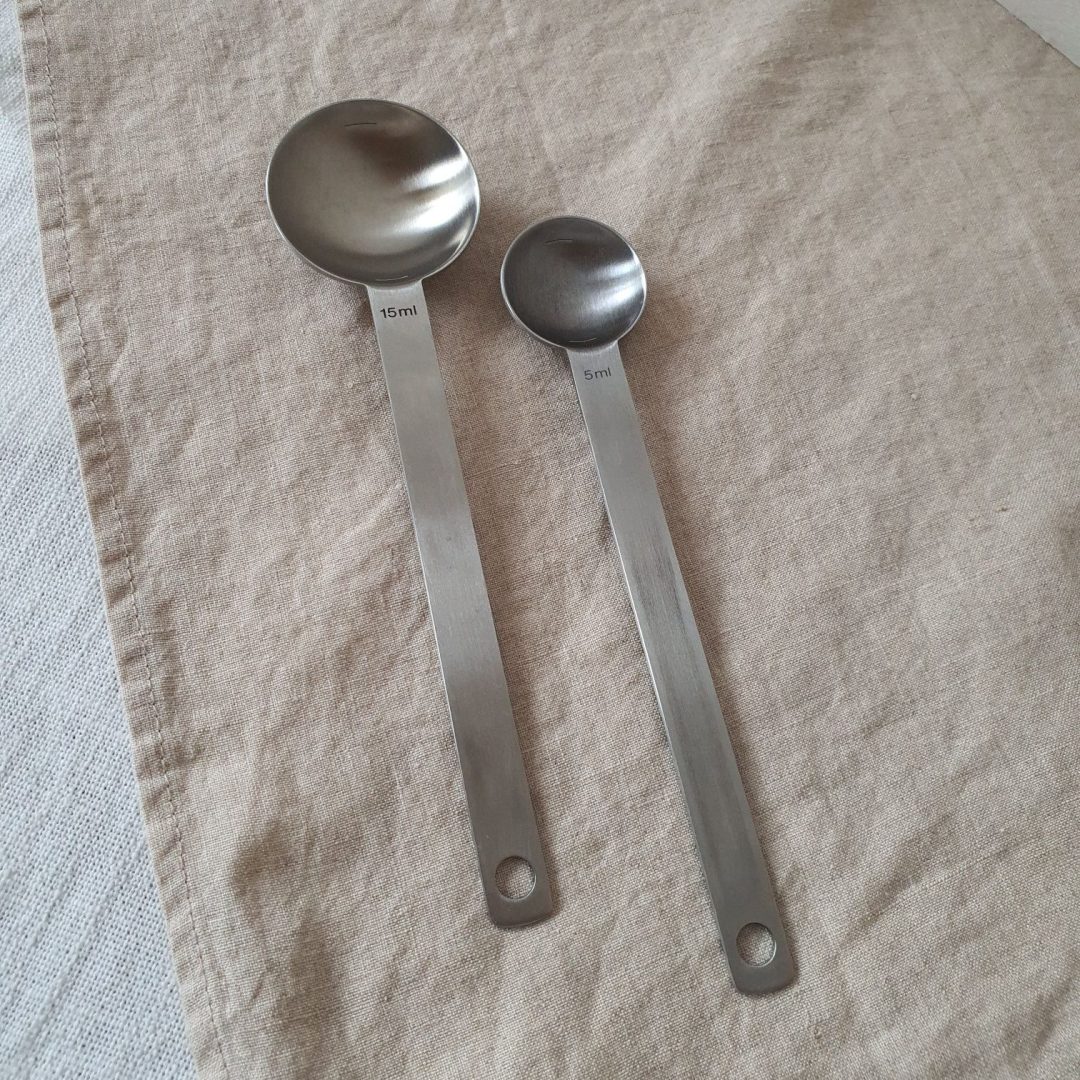
You need a teaspoon and tablespoon measuring spoon, because the spoons you have at home as dinnerware are optimized for looks not acurate measurements :)
Measuring cup
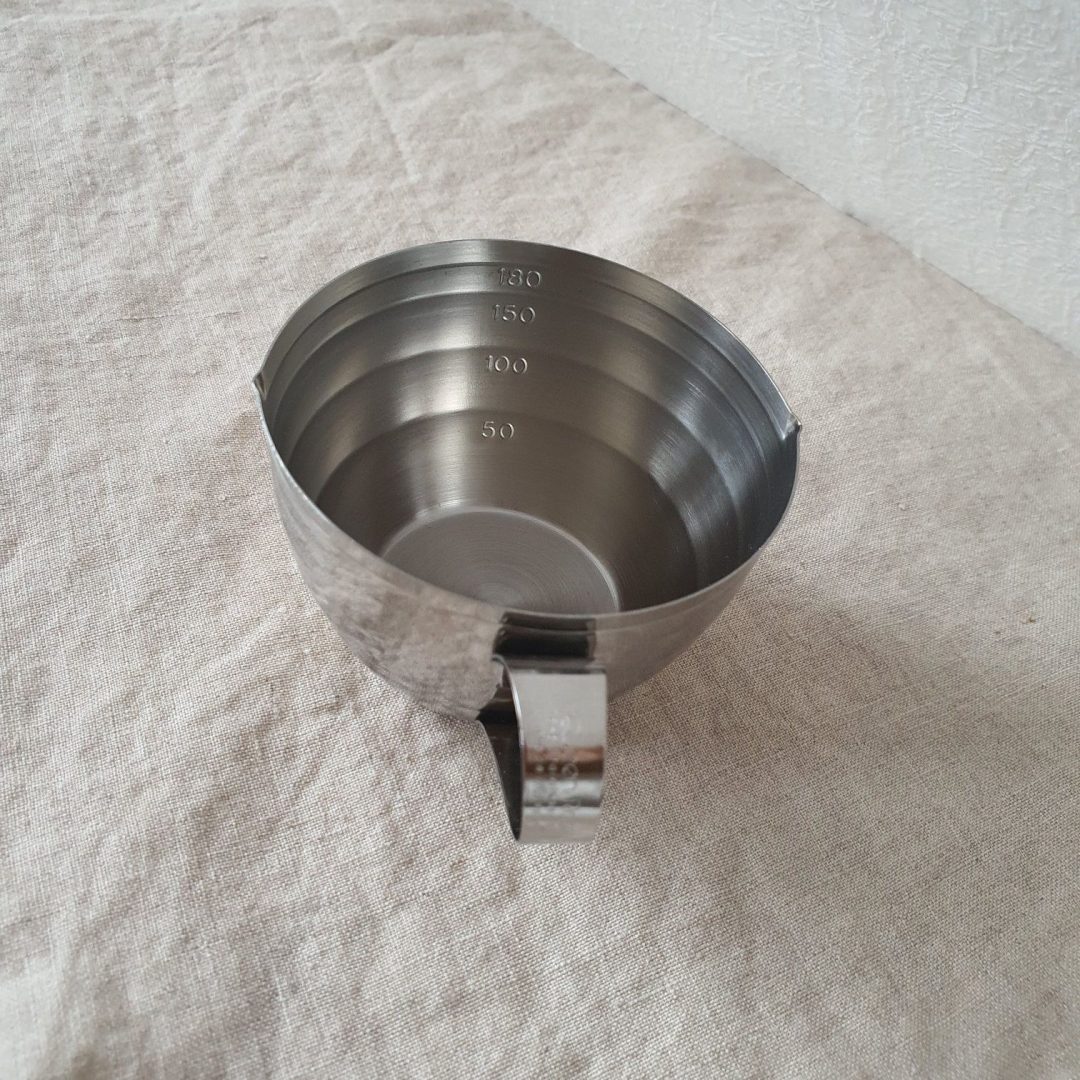
This measuring cup is not that special in general, but it is important to note that 1 cup in Japan measures 200ml, not 250ml like the US equivalent! Rice usually gets either measured in cups or “GO” and “SHO” – which is the more traditional way in restaurants. 1 GO is 180ml and 1 SHO is 10 GO, so 1800ml.
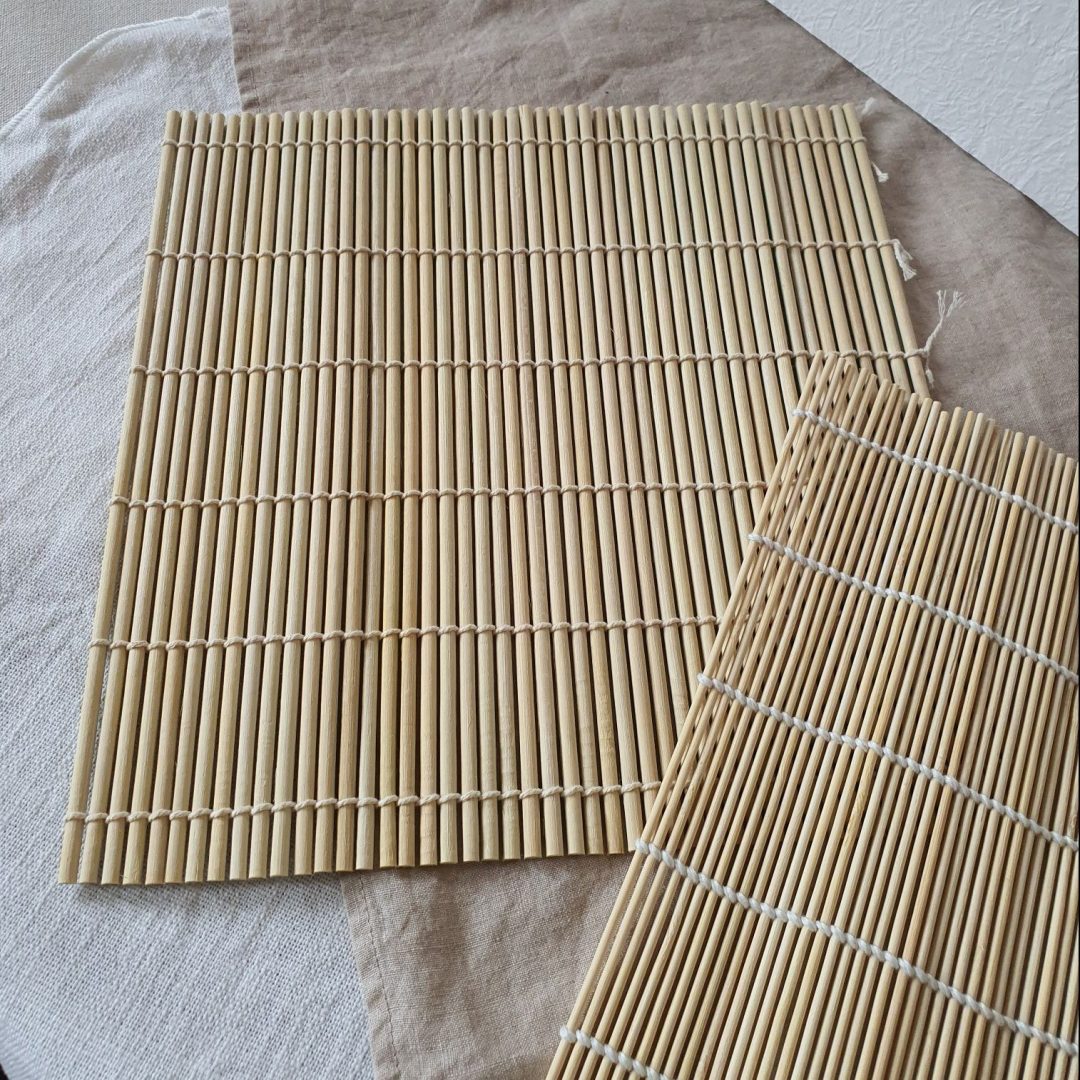
MAKISU bamboo mat
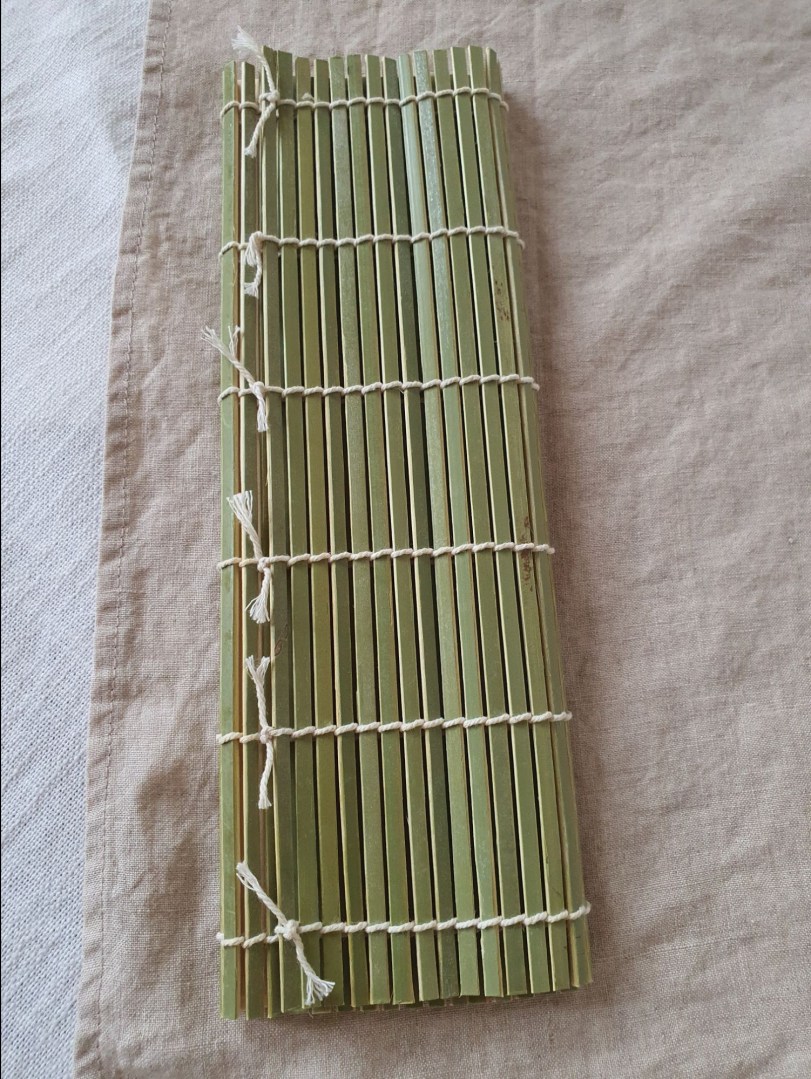
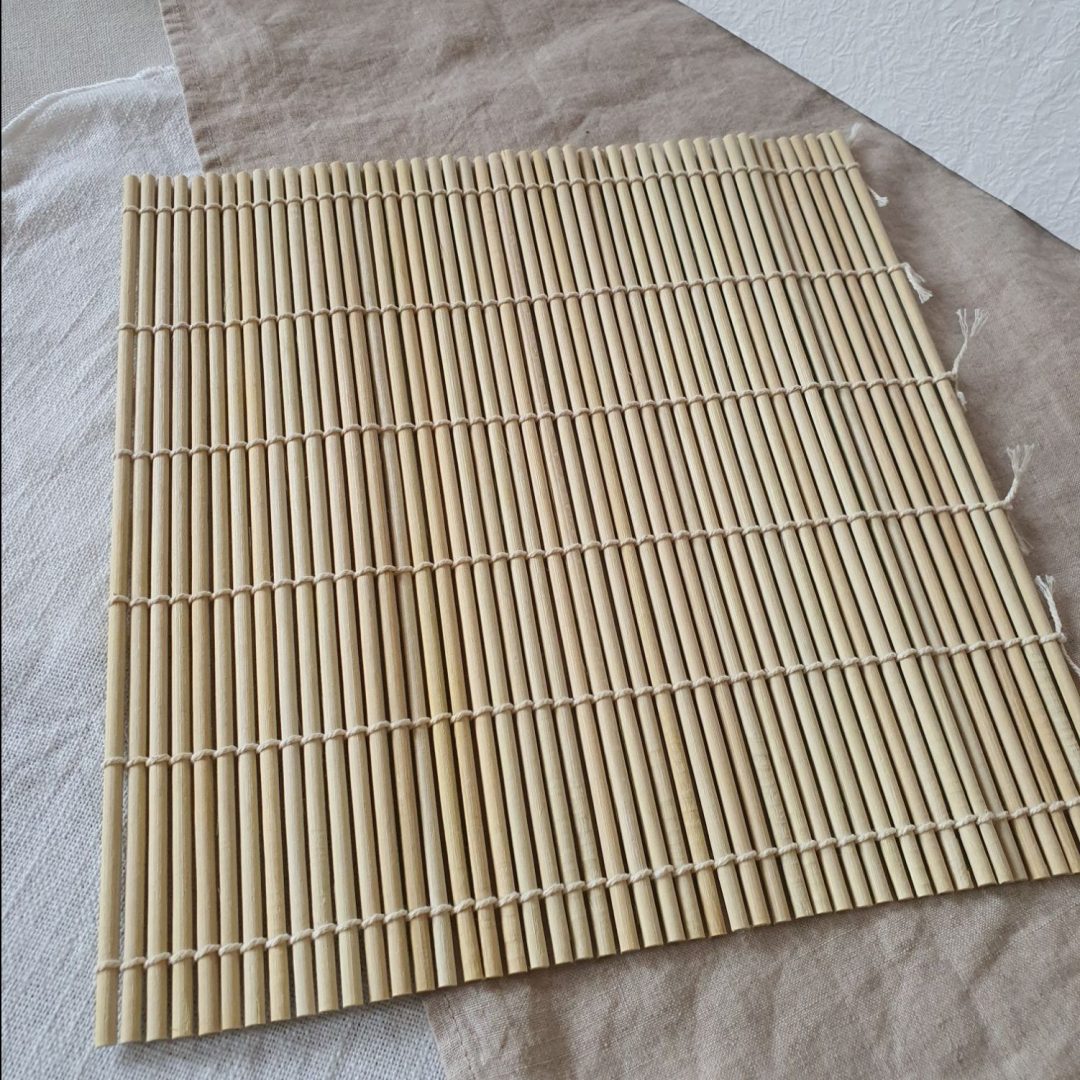
This is the bamboo mat that I use for making Sushi and shaping egg dishes. The important part if you get a bamboo mat like this is, that it has one side which is flat and one side which has rounded bamboo sticks (see the two photos up top). Depending on the dish you are making you might either use the flat or the rounded side to shape it!
KINTON BASHI fine chopsticks

These types of chopsticks are used both for making WAGASHI sweets as well as plating dishes in general. They have extremely fine tips which are absolutely crucial for fine detail work, especially for a type of Wagashi called “Kinton”. And that is where their name comes from :)
You probably think: Why should i care?! The answer is pretty simple: When you make Kinton sweets you need to stick your chopsticks into the dough and you need to make those holes as small and unnoticable as possible! And because these chopsticks are so fine they work perfectly for plating as well :)
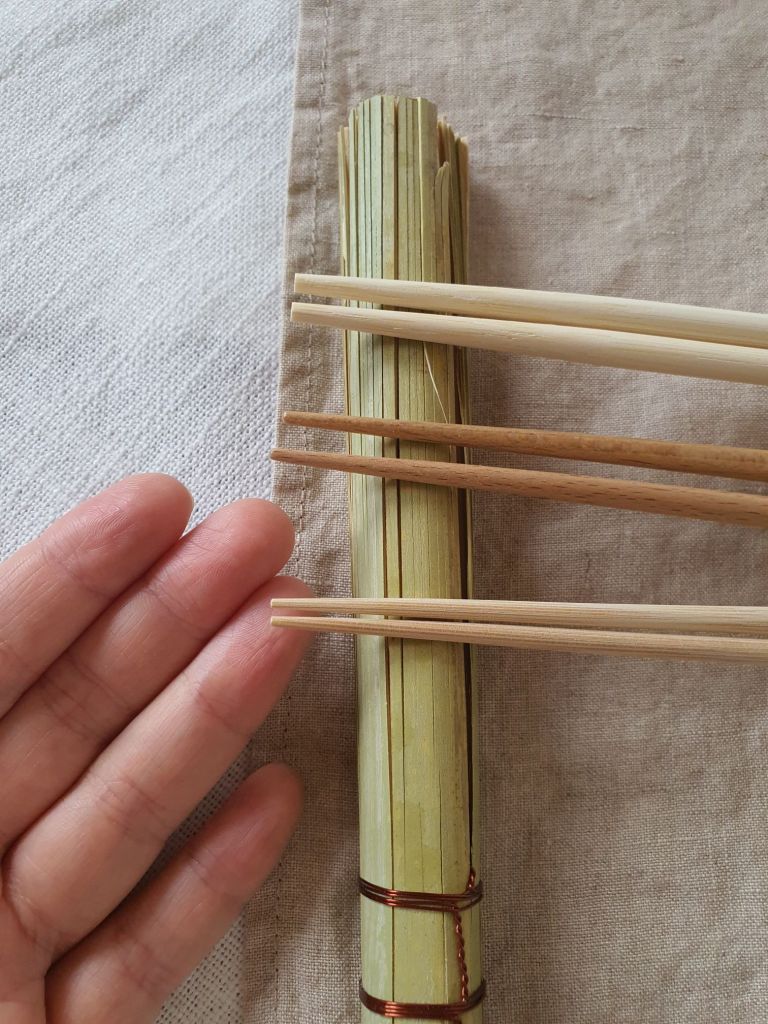
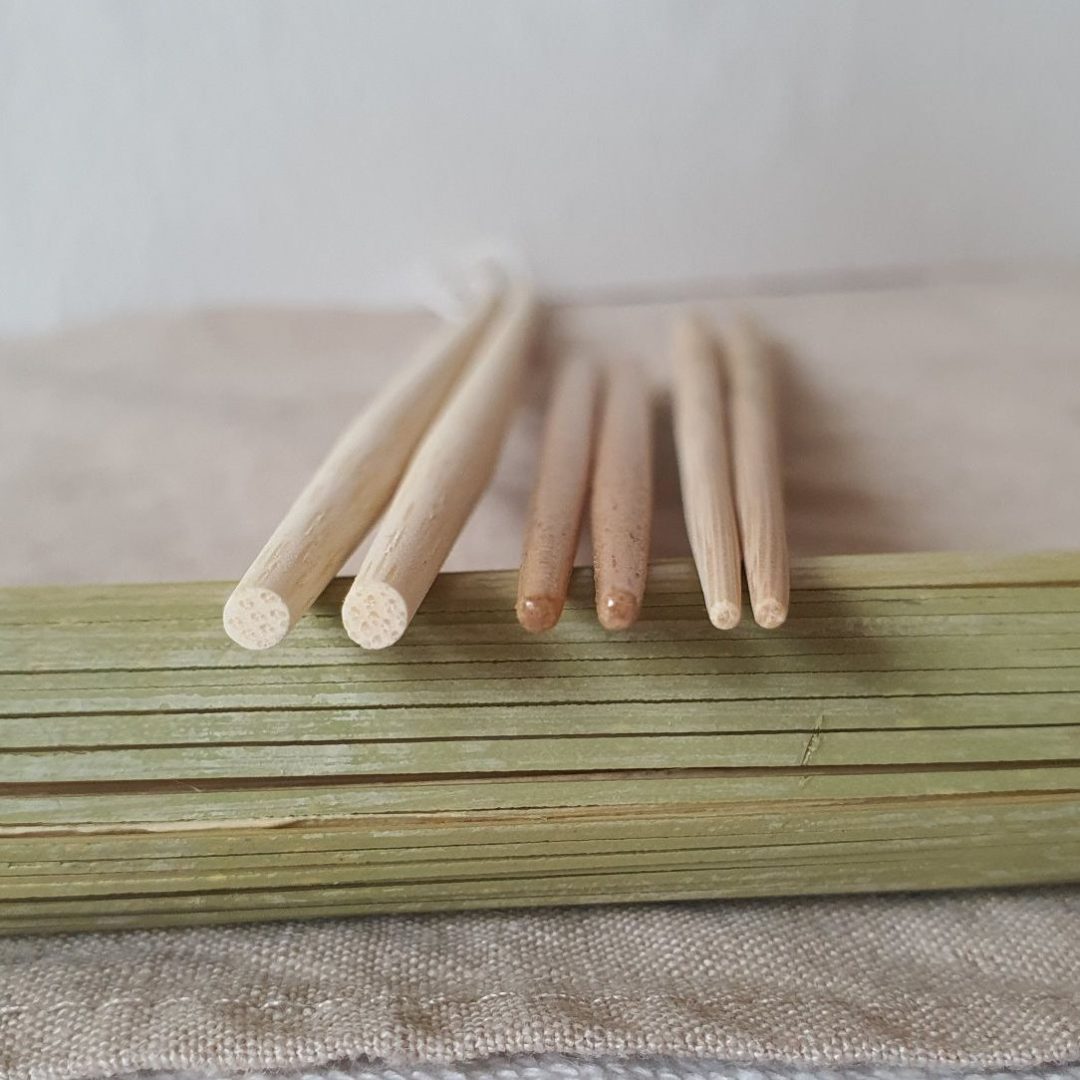
SAIBASHI cooking chopsticks
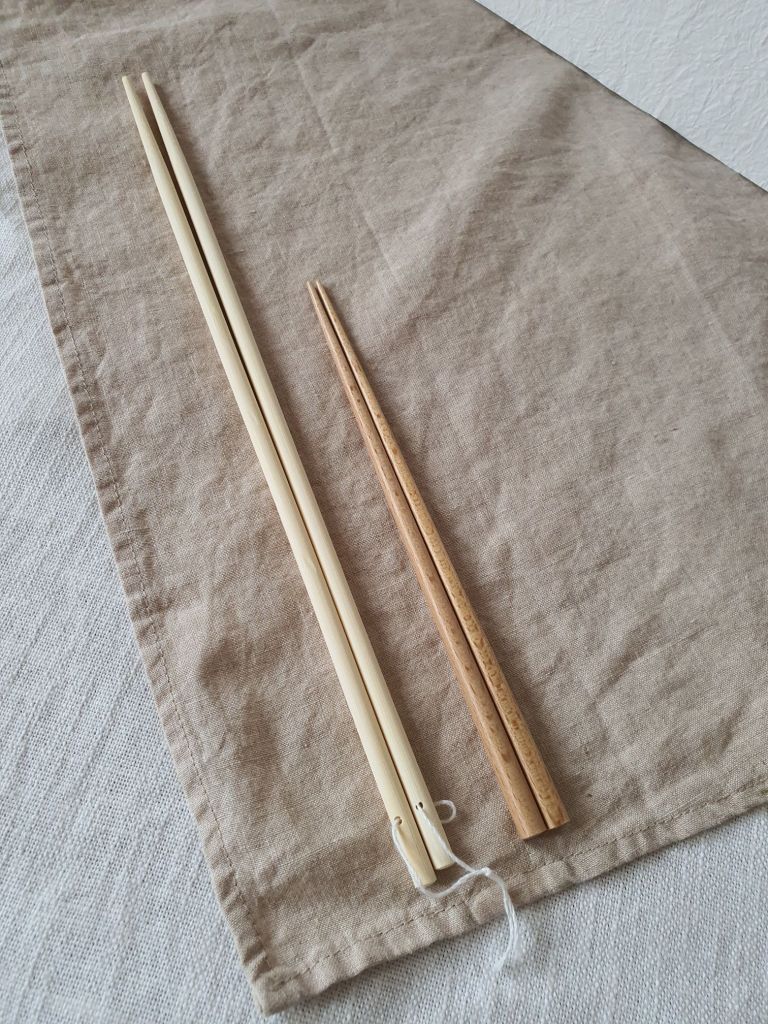
Cooking chopsticks are such an important part of Japanese cuisine! And because they are so long you can use them for deep frying and cooking without needing to be scared to get burned! They work in a similar way to tweezers (or your hands honestly), but are way more flexible once you get used to them. I’d definitely recommend to start using chopsticks way more in your kitchen – not just for eating! The small chopsticks on the right are normal sized chopsticks for eating, so you have an idea how long they are. One big difference is that the cooking chopsticks that get used in professional kitchens don’t have any lacquer on them for hygenic reasons. You would not want to dip chopsticks with any coating into hot oil etc.
Printable Tool List
I hope this can help you while shopping in Japan. I added the Japanese characters, so you can show the shop attendant what you are looking for. Depending on your browser the Japanese characters might not display correctely. In that case, please enable east asian languages first and try again.
tools
- 計量カップ measure cup
- 計量スプーン measure spoon
- 鱗とり fish descaler
- 骨抜き fish bone pincette
- ささら(簓)bamboo whisk for fish
- 卸金 grater
- 巻きす bamboo mat
- きんとん箸 very fine chopsticks
- 菜箸 chopsticks for plating – some people also call them (盛り箸)
The list that I provided here is definitely not the end all be all, so have fun exploring! There are so many amazing tools out there
I hope you enjoyed this short (?) intro to some of my favourite and most essential japanese cooking tools! I hope you get the chance to try them out yourself sooner rather than later. Have fun!

 Japanese Cuisine
Leave a comment