


There are so many interesting ingredients in Japanese Cuisine that most people won’t be familiar with, so I want to introduce some of them to you on this page.
YURINE lily bulb

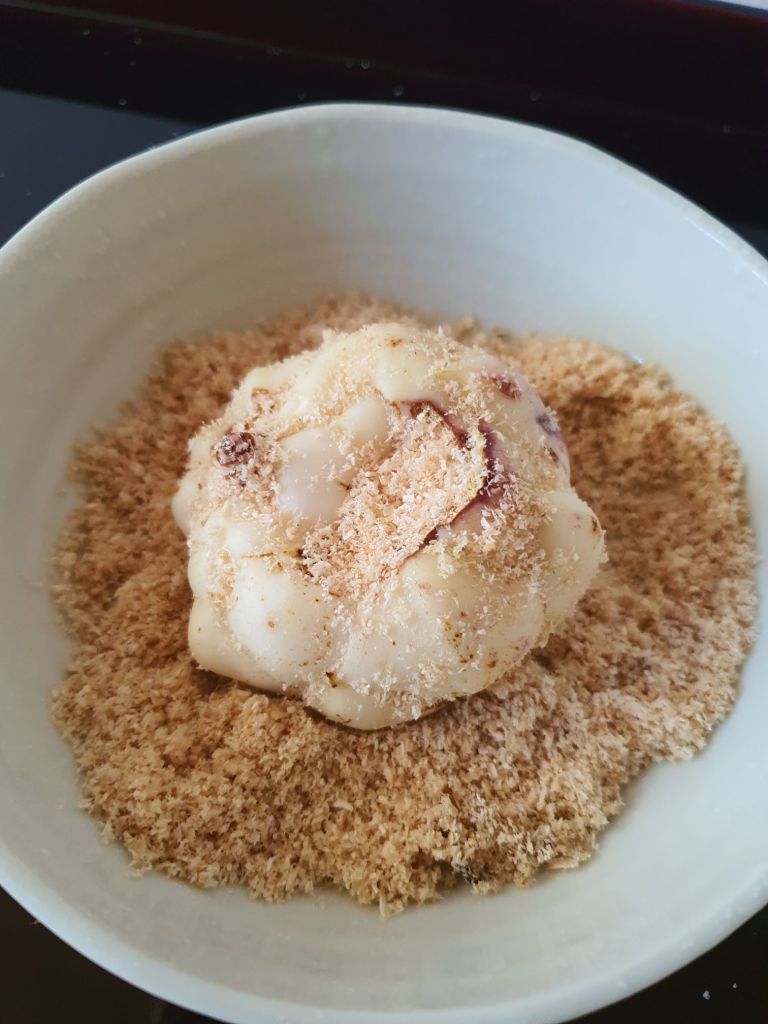
This is such a fascinating vegetable! I never even knew that you could eat the root of the lily flower before coming to Japan. In case you want to dig up your garden: it is a special edible variety though with no bitterness.
Because it is sensitive it gets stored an transported in saw dust and you need to dismantle it an wash off all the saw dust befor using it! It tastes very sweet after you blanch it in hot water and it can be cut into cherry clossom shapes and coloured pink for a nice plate decoration in spring. But it mostely gets used as an ingredient in steamed dishes, to give gentle sweetness and some texture.
MITSUBA trefoil
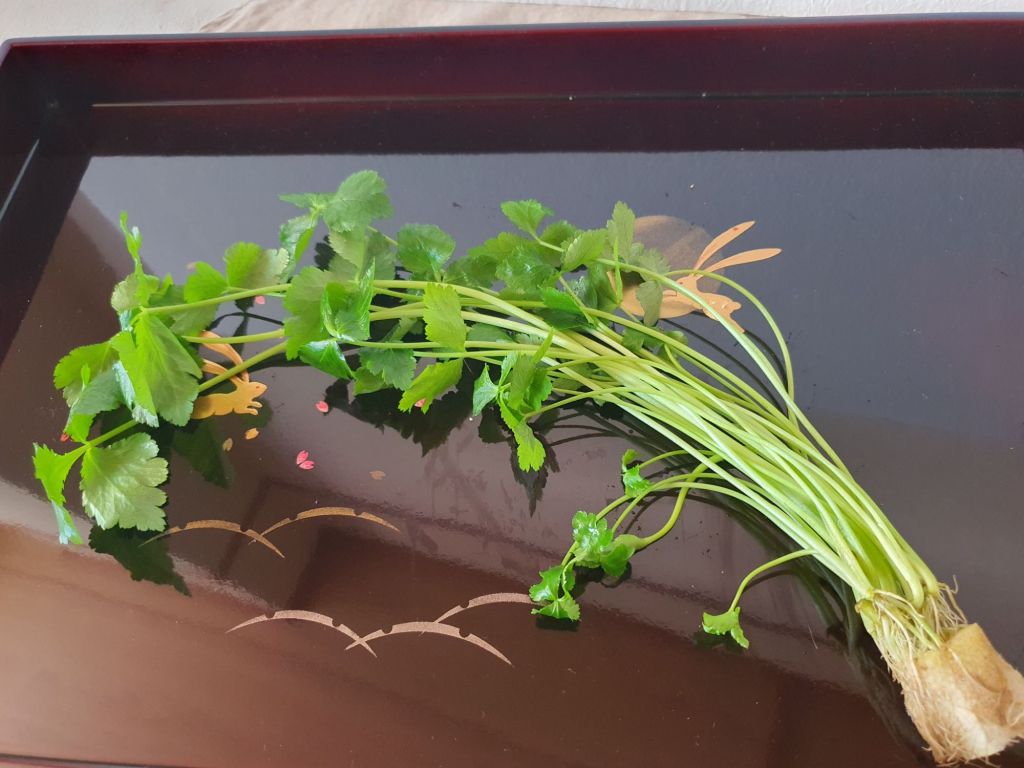
This is a funny one! If you look at the Mitsuba plant you would think that the important parts are the leaves right? But what in fact gets used in Kaiseki Cuisine are the stems of this plant! It might look a bit like parsley but the taste is pretty different. There is nothing really that I could compare it to, so it’s imposiible to describe. But the most important information about this plant is probably: THIS IS NOT CORIANDER! Coriander does not get used in Japanese Cuisine EVER, so if you are in doubt whether a restaurant is legitimately japanese or not: check if they put corinder leaves on stuff 😀
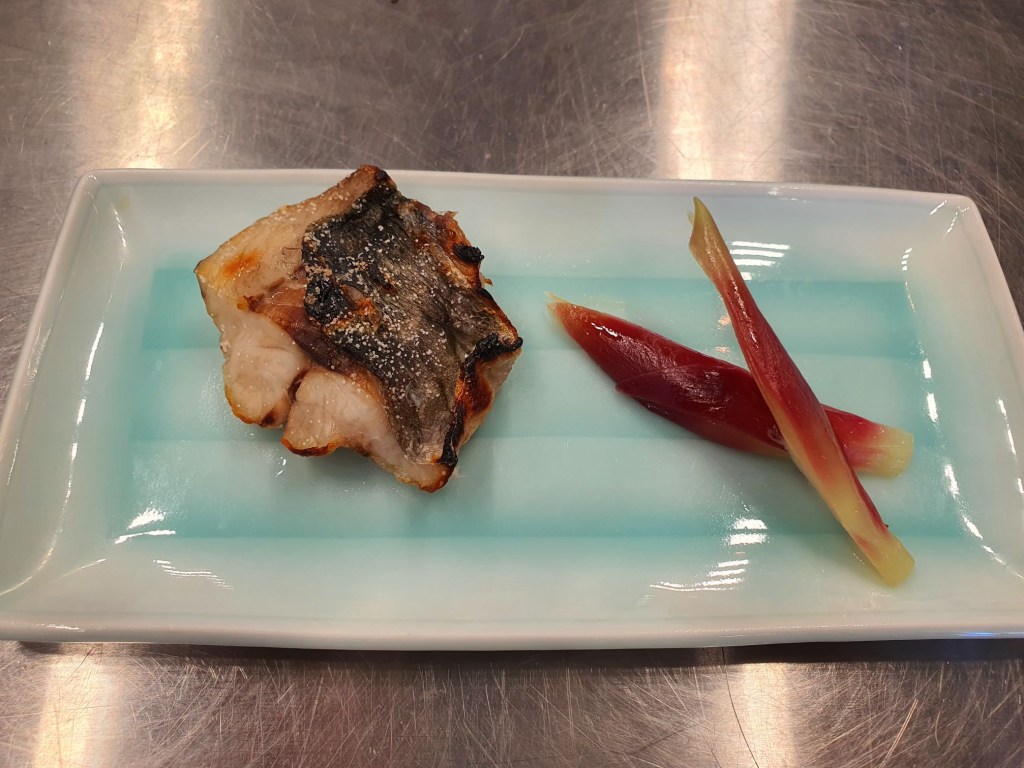
MYOGA japanese ginger flowerbuds

I’m betting that you have not seen Myoga before outside of Japan! These pretty little things are the flower buds of a special kind of japanese ginger plant. They have a very sophisticated ginger taste and are not spicy! They need to be freshly cooked and put into vinegar, that way they develop an even nicer red colour. They are a bit sensitive to being transported so you might not find them in every asian supermarket, but if you come across them you should definitely try them out yourself!
KINTOKI NINJIN Kintoki carrot
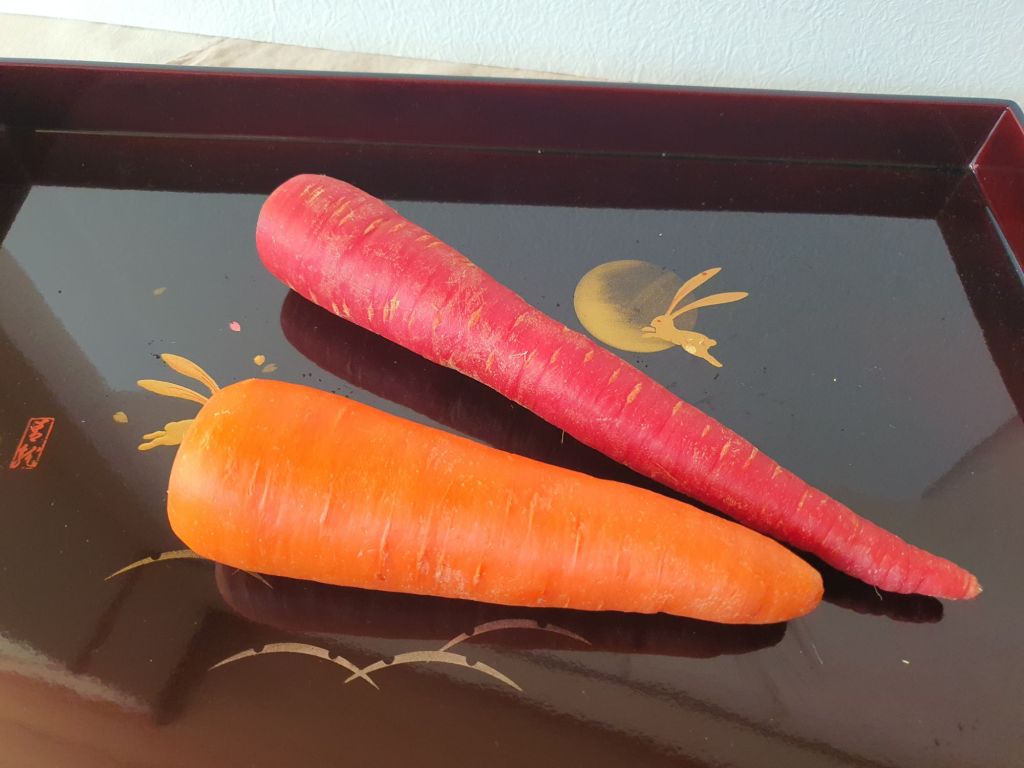
The picture does not do the size of these carrots justice! The carrot I want to focus on is called Kintoki Ninjin and it is the deep red carrot in the back of the picture. It is mainly used for cooking, because it does not get mushy and obviously because it has a gorgeous colour. One of the lucky colour combination in Japan is red and white and for that reason pure red vegetables like this carrot get frequently used for lucky dishes. In the next picture you can see this carrot cut into the shape of a plum blossom:

KINOKO Japanese Mushrooms

I am introducing the 3 most common mushrooms (plus one bonus luxury mushroom) here, because I want to show you how they look like in nice quality. I have bought them abroad before as well, so they are easy to source which is a nice! But they are not always the freshest, so I wanted to give you some pointers to choose nice ones.
SHIMEJI Mushrooms

Shimeji mushrooms are as adorable as they are delicious! (They are the brown ones in the back of the photo)
To me they look like the stereotypical mushroom that you would see in a comic, but in miniature format. Because of their size they look great in soups and give a nice colour balance to any dish. And because they can be cooked in perfectly sized connected clusters they are very eays to plate in a nice way! Mushrooms have umami flavours, so they are delicous especially with other types of umami like Dashi broth. When you buy them they should not look slimey and have beautiful caps. There are white and brown varieties – I would recommend the brown ones because the colour looks nice in combination with other vegetables.

SHIITAKE Mushrooms

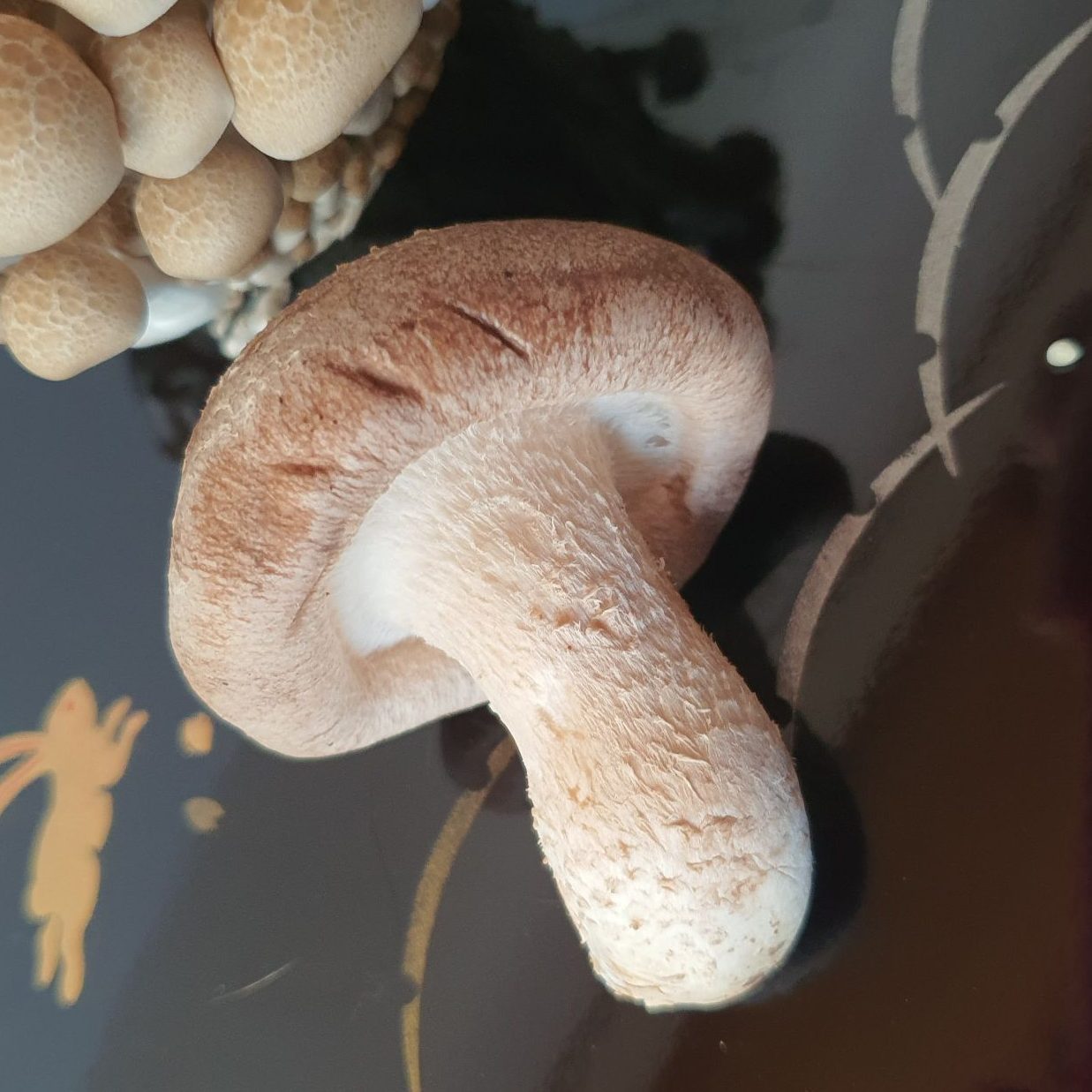
Pretty much everyone has heard of Shiitake mushrooms before. When you buy them abroad they sometimes look pretty sad, so I wanted to show you some nice ones from different angles.
If you want to make soup stock from Shiitake mushrooms you definitely need DRIED SHIITAKE mushrooms! They have way more umami and by rehydrating them and using that water you get really nice broth (though intensely tasting of shiitake). Ideally you should make sure that shiitake mushrooms are sun-dried, because the UV light makes a reaction possible that enriches the mushrooms with Vitamin D!
ENOKI Mushrooms
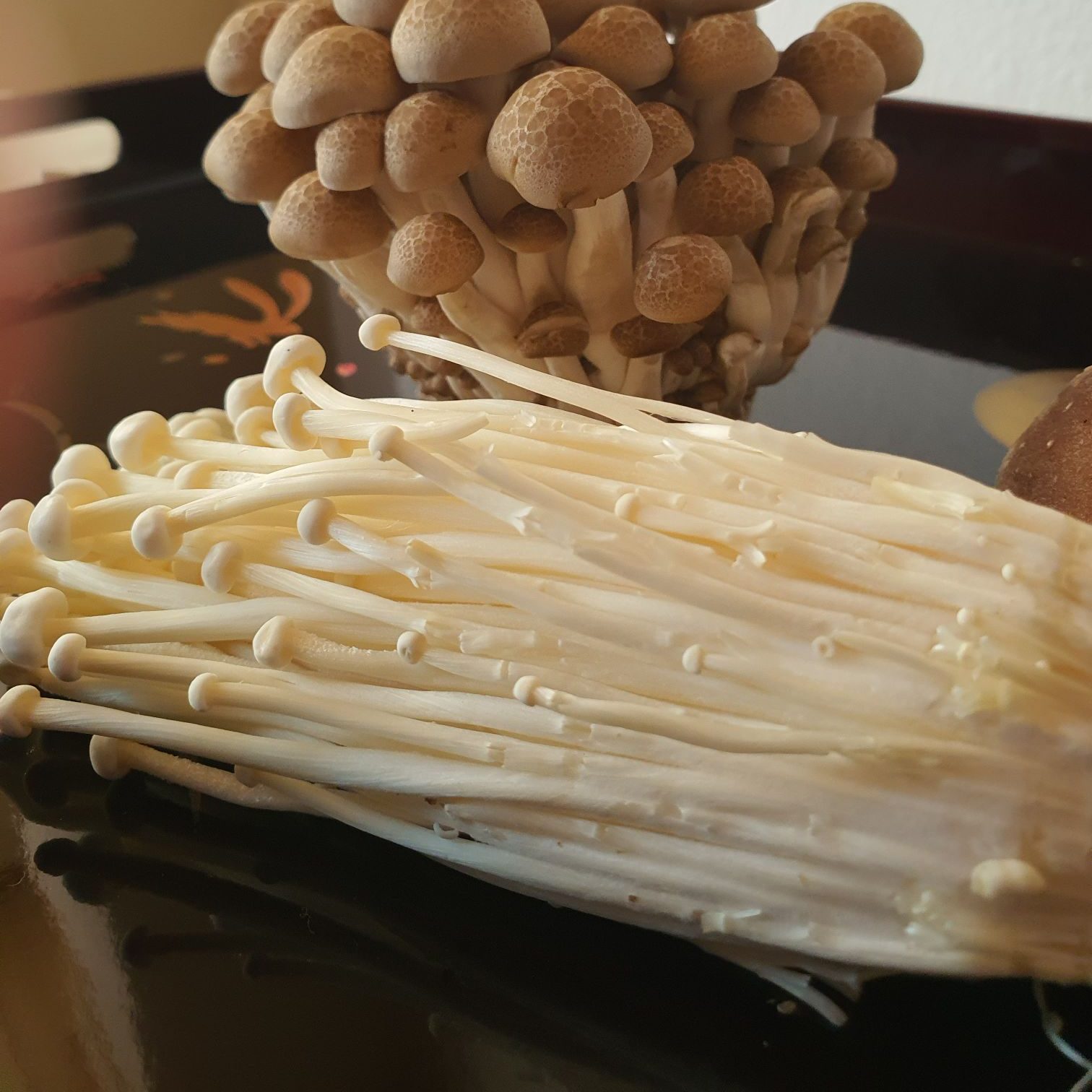
Enoki mushrooms get used more frequently in home cooking than Kaiseki Cuisine, but sometimes they can be used in Akadashi Miso soup. They are affordable and tasty and can be sourced in asian supermarkets around the world so you should definitely give them a try.
MATSUTAKE Mushrooms
Matsutake is essentially THE Kaiseki mushroom. It is a typical early autumn ingredient, usually starting in september and it perfectly shows the changes of the season. It most famously gets combined with a fish called HAMO (pike conger) which is a summer fish, so there is a short window of time at the end of summer and the beginning of autumn where you can combine those two ingredients. If you see Hamo + Matsutake in a course menu you can be pretty sure that it is a September menu!
But here is the caveat: It is very expensive and in my very personal opinion it is not that tasty… It definitely has a very special and distinctive taste, but it has a medicinal tendency that not everyone will appreciate.
Personally I think there is no need to go in search of Matsutake mushrooms for your home cooking. But if you ever have the chance to try it in a restaurant you should definitely give it a shot!

HOURENSO japanese spinach

Spinach might not seem super exciting but I wanted to show you how different asian spinach looks to the one we are used to in the west! If you have ever tried to make spinach with sesame dressing at home, which is a common japanese dish, and wondered why it didn’t turn out the way it was in Japan: here is you reason. The variety of spinach is completely different not only in looks but taste as well.
I hope you learned something new in this post and got excited to try out all kinds of new ingredients that are out there. Have fun!
If you like my posts please consider making a donation!
Make a monthly donation
Make a yearly donation
It helps to keep the lights on in my kitchen and more importantly it helps to pay for all the ingredients I need to buy to keep on making this lovely content. If you are able to it would be delightful if you could contribute something.
Or enter a custom amount
Thank you so much, I really appreciate your support!
Your contribution is appreciated.
Your contribution is appreciated.
DonateDonate monthlyDonate yearly
 Kaiseki at Home
Leave a comment